
“Safe and Sound Protocol” (SSP) is a therapeutic tool developed by Dr. Stephen Porges, based on his Polyvagal Theory. This protocol is designed to help regulate the autonomic nervous system, which controls our fight, flight, or freeze responses. The SSP is primarily used to help individuals who have experienced trauma, suffer from anxiety, or have […]

DNA-V is a model of Acceptance and Commitment Therapy (ACT) specifically tailored for young people. This model was developed by Dr. Louise Hayes and Dr. Joseph Ciarrochi. It focuses on developing psychological flexibility, which is the ability to adapt to changing circumstances and to balance important personal values with the challenges of daily life. In […]

Acceptance and Commitment Therapy (ACT) is a form of psychotherapy that focuses on helping individuals accept their thoughts and feelings rather than fighting or feeling guilty for them. It is an action-oriented approach that teaches techniques to deal with painful thoughts and feelings effectively, so they have less impact and influence over a person’s life. […]

Exposure Therapy, often associated with Exposure and Response Prevention (ERP), is a type of cognitive-behavioral therapy primarily used to treat obsessive-compulsive disorder (OCD), anxiety disorders, and phobias. The core principle of exposure therapy involves exposing the patient to the source of their anxiety or fear in a controlled environment. The aim is to help reduce […]

Cognitive Behavioral Therapy (CBT) is a form of psychological treatment that has been demonstrated to be effective for a range of problems including depression, anxiety disorders, alcohol and drug use problems, marital problems, eating disorders, and severe mental illness. Numerous research studies suggest that CBT leads to significant improvement in functioning and quality of life. […]

The amygdala is like a little alarm system in your brain. It’s a small, almond-shaped set of neurons located deep in the brain’s medial temporal lobe. Think of the amygdala as your body’s watchguard, constantly scanning for anything that might be dangerous or threatening. Here’s a simple way to understand how it works: In summary, […]
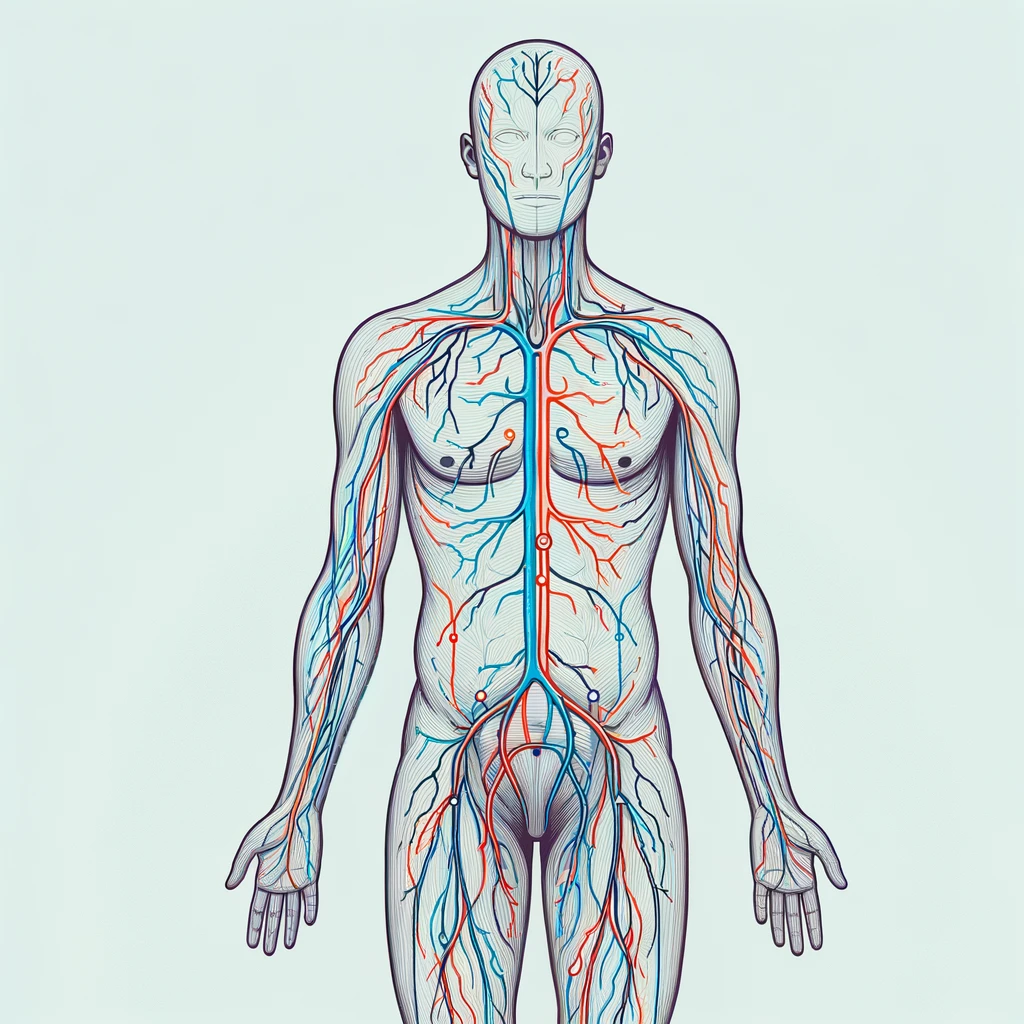
The autonomic nervous system (ANS) is a part of your nervous system that controls the functions in your body that you don’t usually think about or consciously control. It’s like an automatic pilot for your body. Imagine you’re driving a car: there are things you do deliberately, like steering and braking, and things the car […]
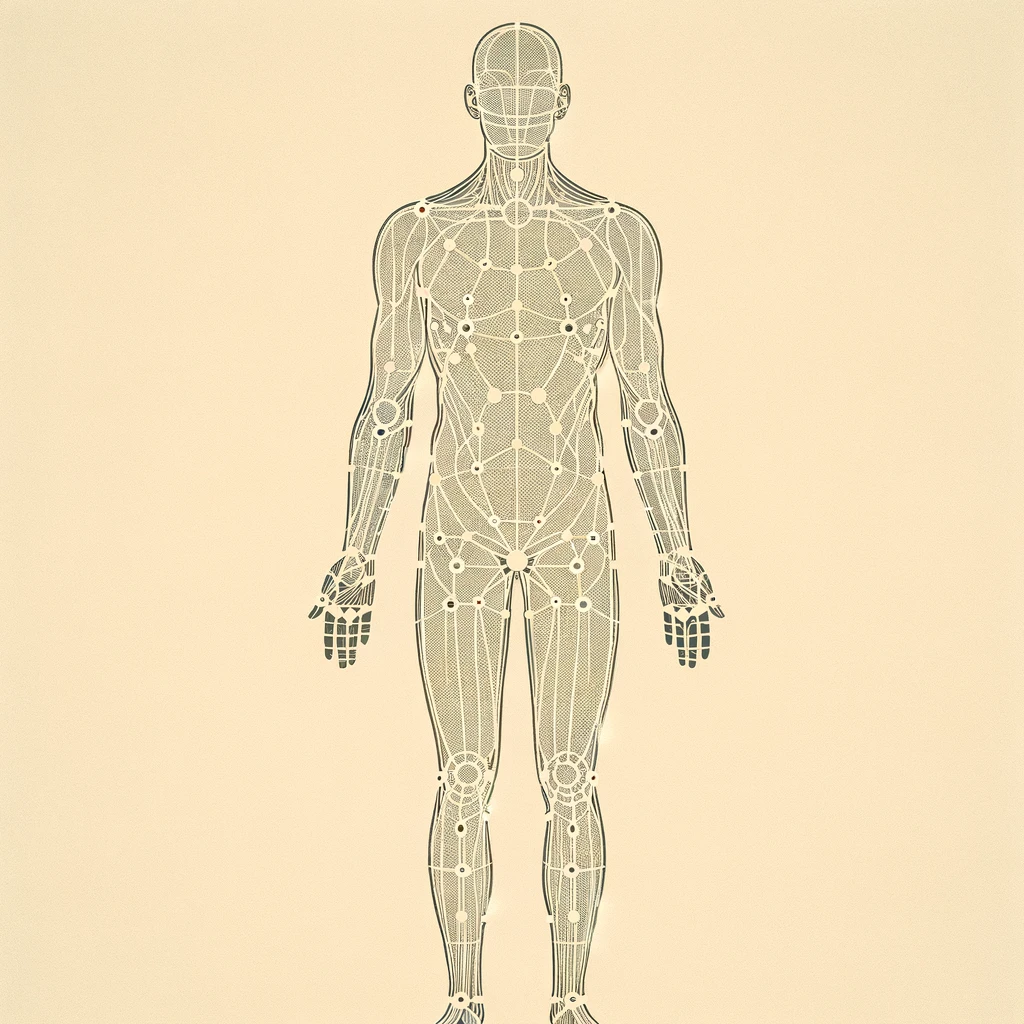
The Polyvagal Theory, developed by Dr. Stephen Porges, is a fascinating concept that explains how our nervous system responds to stress and danger. To put it simply, think of your nervous system as having three different modes, like traffic lights, that regulate your body’s response to the world around you: The Polyvagal Theory helps us […]

Creating a rice or bean sensory bin is a simple and effective way to provide sensory play at home. Here’s a step-by-step guide to make one: Materials Needed Steps to Make the Bin Safety and Maintenance Sensory bins like these are excellent for tactile exploration, fine motor skill development, and can provide hours of imaginative […]

Creating a calming jar, also known as a glitter jar or mindfulness jar, is a fun and simple project. These jars can be a great tool for relaxation and stress relief. Here’s how you can make one: Materials Needed Instructions Tips Remember, the calming jar is not just for making; it’s also a tool for […]

