
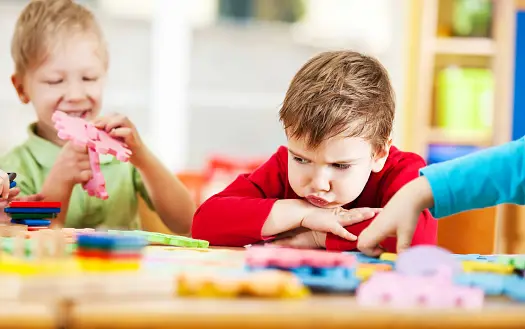

Dealing with a child’s anger can be challenging, but it’s an essential aspect of fostering emotional intelligence. This resource aims to provide parents with practical strategies to understand and help their child manage anger constructively.
Understanding the Source
Listen Actively: When your child expresses anger, listen attentively to understand the source of their frustration. Encourage them to share their feelings openly without judgment.
Identify Triggers: Recognize specific situations or triggers that lead to your child’s anger. Understanding these triggers can help you proactively address and prevent future outbursts.
Teaching Healthy Expression
Model Calmness: Demonstrate calm and composed behavior when faced with challenges. Children often learn by observing, and your response sets an example for them.
Encourage Verbal Expression: Teach your child to express their emotions verbally. Encourage them to use words to communicate their feelings instead of resorting to physical expressions of anger.
Practical Strategies for Dealing with Anger
Take a Break: Teach your child to recognize when they need a break to cool down. Encourage them to step away from a situation temporarily and return when they feel calmer.
Deep Breathing Exercises: Introduce simple deep breathing exercises to help your child regulate their emotions. Practice together during moments of calm to establish a routine.
Use Calming Techniques: Teach age-appropriate calming techniques, such as counting to ten, visualizing a peaceful place, or squeezing a stress ball.
Promote Physical Activity: Engage your child in physical activities as a way to release pent-up energy and frustration. Exercise can have a positive impact on mood and emotional well-being.
Setting Clear Expectations
Establish Boundaries: Clearly communicate acceptable and unacceptable behaviors when it comes to expressing anger. Set boundaries while also encouraging open communication.
Discuss Consequences: Explain the consequences of inappropriate expressions of anger, and consistently apply these consequences. Consistency helps children understand the importance of managing their emotions.
Building Empathy
Encourage Empathy: Help your child understand the impact of their actions on others. Discuss how others might feel in certain situations, fostering empathy as a way to manage anger more considerately.
Validate Feelings: Acknowledge your child’s feelings, even if you don’t agree with their perspective. Validating their emotions helps build trust and communication.
Seeking Professional Help
If Necessary: If your child’s anger seems excessive or is causing significant disruptions, consider seeking guidance from a pediatrician, counselor, or mental health professional.
Family Counseling: Family counseling can be a valuable resource for addressing underlying issues and improving communication within the family.
Patience and Consistency
Be Patient: Changing patterns of behavior takes time. Be patient and offer consistent support as your child learns to manage their anger more effectively.
Celebrate Progress: Celebrate small victories and progress. Positive reinforcement can motivate your child to continue developing healthier ways of expressing and managing their anger.
Dealing with a child’s anger is an ongoing process that requires understanding, patience, and proactive strategies. By promoting emotional intelligence and teaching constructive ways to manage anger, you empower your child to navigate emotions in a healthy manner.
Parent/Professional Resources:
AMAZON AFFILIATES DISCLOSURE
We are a participant in the Amazon Services LLC Associates Program, an affiliate advertising program designed to provide a means for us to earn fees by linking to Amazon.com and affiliated sites.
