
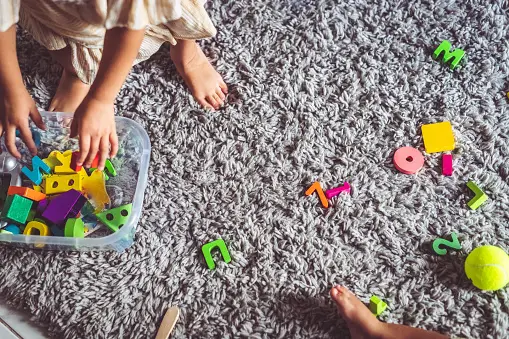

Designing a playroom is an exciting opportunity to create a space that fosters your child’s creativity, imagination, and overall development. This resource offers parents practical tips and insights on how to design an effective and engaging playroom that caters to their child’s needs.
Understanding Your Child’s Interests
Observe and Listen: Pay attention to your child’s interests and activities. Observe what captures their attention and listen to their preferences when it comes to play.
Incorporate Their Favorites: Design the playroom around your child’s favorite themes, colors, and characters to make the space truly personalized and appealing to them.
Creating a Safe Environment
Childproofing: Prioritize safety by childproofing the playroom. Cover electrical outlets, secure heavy furniture, and choose age-appropriate toys to minimize potential hazards.
Soft Flooring: Opt for soft, cushioned flooring to provide a safe and comfortable surface for play. Consider rugs or foam mats to minimize the risk of injuries during active play.
Organized Storage Solutions
Open Shelving: Use open shelving for easy access to toys and games. This allows your child to see and reach their belongings independently, fostering a sense of organization.
Labeled Bins: Utilize labeled bins or baskets to categorize and organize toys. This not only helps maintain order but also encourages your child to put things back in their designated places.
Multifunctional Furniture
Versatile Seating: Choose versatile seating options like bean bags or floor cushions that can be easily moved around to accommodate various play activities.
Convertible Furniture: Invest in convertible furniture such as tables with storage or foldable desks. This maximizes space and provides flexibility for different play scenarios.
Creative Learning Spaces
Art and Craft Station: Dedicate a space for arts and crafts with a sturdy table, art supplies, and a display area for showcasing your child’s creations.
Reading Nook: Create a cozy reading corner with a variety of age-appropriate books, comfortable seating, and good lighting. Instilling a love for reading starts with a welcoming space.
Interactive Play Zones
Imaginative Play Corner: Designate an area for imaginative play, such as a kitchen set, dolls, or action figures. This encourages storytelling, role-playing, and the development of social skills.
Building and Construction Zone: Set up a building area with blocks, LEGO sets, or other construction toys. This promotes spatial awareness and fine motor skills.
Incorporating Technology Responsibly
Designated Tech Corner: If you include technology, create a designated corner with age-appropriate educational apps or games. Implement time limits to balance screen time with other activities.
Charging Station: Establish a charging station for electronic devices, encouraging responsible habits and avoiding unnecessary clutter.
Frequent Updates and Rotations
Rotating Toys: Periodically rotate toys to keep the playroom dynamic and maintain your child’s interest in their belongings.
Seasonal Decor: Introduce seasonal decorations or themes to keep the playroom fresh and exciting. This can coincide with holidays or your child’s evolving interests.
Encouraging Independence
Low-Height Shelves: Arrange toys on low-height shelves to encourage independence and easy accessibility for your child.
Labeling Storage:Label storage bins with pictures or words, aiding your child in identifying and returning items independently.
Designing an effective playroom involves a thoughtful combination of safety, organization, and creativity. By tailoring the space to your child’s interests and providing a variety of engaging activities, you create a vibrant environment that nurtures their imagination and supports their overall development.
