
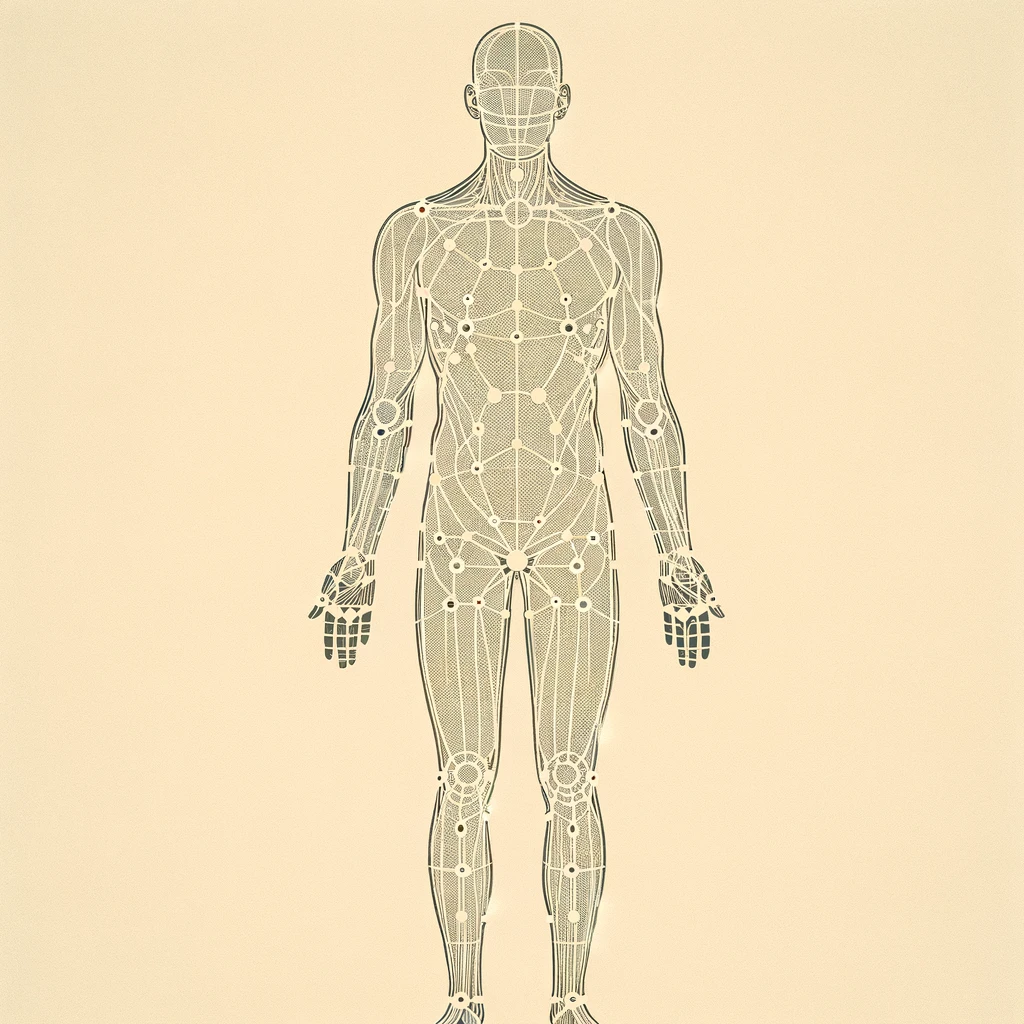

The Polyvagal Theory, developed by Dr. Stephen Porges, is a fascinating concept that explains how our nervous system responds to stress and danger. To put it simply, think of your nervous system as having three different modes, like traffic lights, that regulate your body’s response to the world around you:
- Green Light – Social Engagement System: When you’re in a safe and relaxed environment, your body is in the “green light” mode. Here, you can socialize, connect with others, and your body functions optimally. You’re calm, can think clearly, and feel connected. This is like your body’s “happy and safe” mode.
- Yellow Light – Fight or Flight Response: When you face a threat or stress, your body switches to the “yellow light” mode. This is the fight or flight response. Your heart rate may increase, you might feel anxious, and your body prepares to either defend itself or run away from the danger. It’s like your body’s alarm system.
- Red Light – Freeze Response: If the threat is overwhelming or you feel trapped, your body may enter the “red light” mode. This is the freeze response. In this state, you might feel numb, disconnected, or even helpless. It’s like your body is playing dead, hoping the danger passes by.
The Polyvagal Theory helps us understand how these different states affect our behavior, emotions, and physical health. It also explains why, in stressful situations, some people might become anxious and confrontational (fight), others might avoid the situation (flight), and some might feel stuck and unable to react (freeze).
This understanding is particularly important in therapy and healing, as it provides insights into how to better manage stress and trauma by helping individuals recognize and shift out of these defensive states into a state of safety and social engagement.
Parent/Professional Resources
