
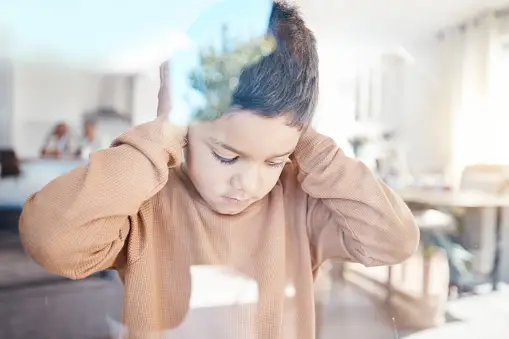

Social anxiety in children refers to the fear or worry about situations that involve interacting with other people. Children with social anxiety are often scared of what others will think of them, and they may also fear embarrassment, being separated from their parents or caregivers, or getting in trouble. Some signs that a child may be experiencing social anxiety include difficulty meeting other children or joining groups, having a limited number of friends, and avoiding social situations where they might be the focus of attention.
Social anxiety can also manifest as physical symptoms such as nausea, stomach aches, blushing, and trembling. Since children with social anxiety are often quiet and obedient in school, their signs of anxiety can be easy to miss.
It is important to understand your child’s anxious feelings and the situations in which they occur. You can prepare your child for situations that make them feel anxious by acting them out at home and practicing ways to make the situations easier. Encourage your child to do “detective thinking” by asking questions like, “How do you know they’ll laugh?” to help them challenge their anxious thoughts.
Gently encourage your child to join in social situations, do things in front of others, and start new activities. Avoid speaking for your child and avoid labeling them as “shy.” If your child has an anxious reaction to a situation, don’t force them to stay in the situation. Instead, try the situation again another time with more preparation.
The stepladder approach is a gentle behavior technique that can help children with anxiety, including social anxiety. It involves tackling lesser fears before children face their biggest fears. Seeking professional help from a teacher, school counselor, GP or pediatrician, children’s health center, community health center, specialist anxiety clinic, or local mental health service is also an option if you feel that your child’s anxiety is affecting their enjoyment of life.
Parent/Professional Resources:
AMAZON AFFILIATES DISCLOSURE
We are a participant in the Amazon Services LLC Associates Program, an affiliate advertising program designed to provide a means for us to earn fees by linking to Amazon.com and affiliated sites.
